Love it or hate it, you will be hard pressed to not have heard or seen Film Grain popping up frequently in the film and photography world. More than an unwanted artifact or flaw, grain has grown in popularity with people everywhere embracing the beauty in the 'imperfections' of film and some going as far to create it artificially for digital mediums.
On a technical level, though often romanticized in the film world, grain is a result of the physical manifestations of the properties of a certain film stock. Simply put, it’s the result of light-sensitive material (crystal granules) in film stock capturing light, and the amount of grain + size varies across different film sensitivity or ISO. High ISO films, while better for dark scenes or night shooting, generally have more a noticeable grain and can appear grittier and less sharp whereas Low ISO film, while requiring more light, often leads to smoother, sharper results.
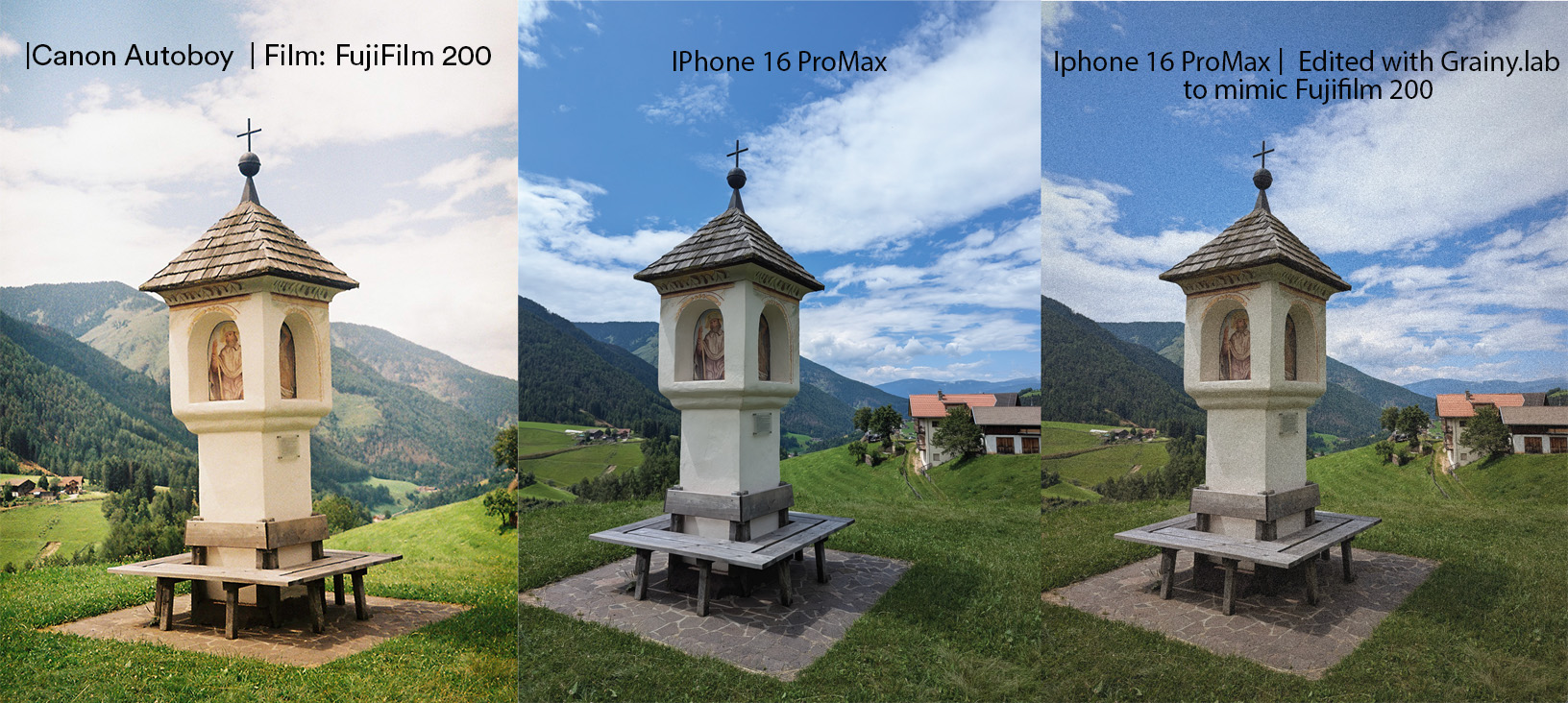
In the right hands, and with a bit of knowledge around the specific characteristics of different film stocks, grain can become a tool in itself. Instead of a flaw in the shot, it can be used to create character, bring in a sense of nostalgia and even convey a certain mood. Today this even extends to software with OFX, filters and LUTs being created and used to digitally recreate the aesthetic and tone of film while shooting on incredibly sharp modern cameras or even our phones.
Shot on Kodak 35mm, Tarantino's 'Once upon a Time in Hollywood' was, and is still, revelled for its dazzling rendition of late sixties LA. Using the rich, natural qualities of film stock, the grain catche amplifies golden hour lighting and neon glows to capture the real feeling of the moment and to pull you into the life of each scene.
.png)
Speilberg's World War II epic 'Saving Private Ryan' opens with a heavy and gut-wrentching portrayal of D-Day. Alongside handheld camera work, a narrow 90° shutter and desaturation, heavy grain use plays an essential roll in the visceral realism of each shot, drawing you into the scene.
.jpg)
Though shot in completely different styles, both directors (and their DOP teams) use their knowledge of film and grain to create the world around you. Cleverly building a sense of mood and emotion in the way a film is shot before a scene even plays out. Film and its characteristics, including grain, are used in such a way that it no longer feels like you're watching a film, it feels like you're on the perimeter of each shot- experiencing it as it happens.
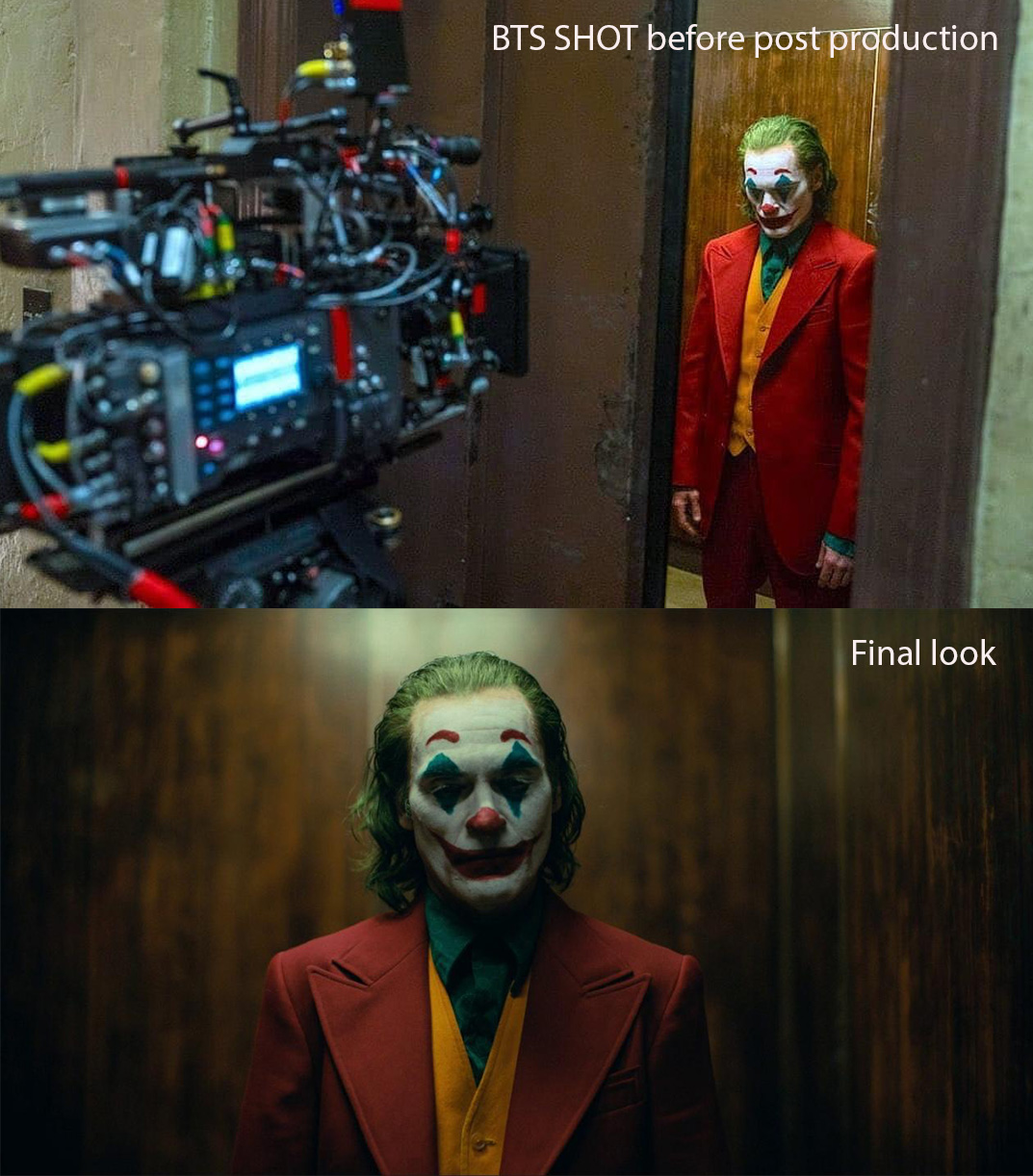
Primarily filmed using ARRI Alexa 65 body and accessories, 2019 Todd film 'Joker' gives us an interesting comparison. Shot completely digitally, grain and film qualities were added consciously in post production to give it a 70's style look. Cleaner and more subtle texture was used with intention to add a darkness and decay around the main character, matching his experience of the world as it happens.
Whether you shoot on film, or love the look or artificial film grain, it's hard not to see that texture matters and grain is one of the most powerful aesthetic tools at our disposal. With the introductions of 'imperfections' we can gain emotional texture that helps create realism and nostalgia. It bridges the gap between the image and the audience, allowing you to really lean into the world you're watching. With its nod to history and emotional, the use of grain both digitally and organically is a great reminder that not everything we create needs to be polished to be powerful.