Pro or con? Effect of Error? Halation is on of the most interesting and divisive topics in film. Occuring when light traverses film emultion and reflects back, halation appears in film as a soft almost orange glow, or 'halo' in the bright areas of an image.
So, what causes Halation?
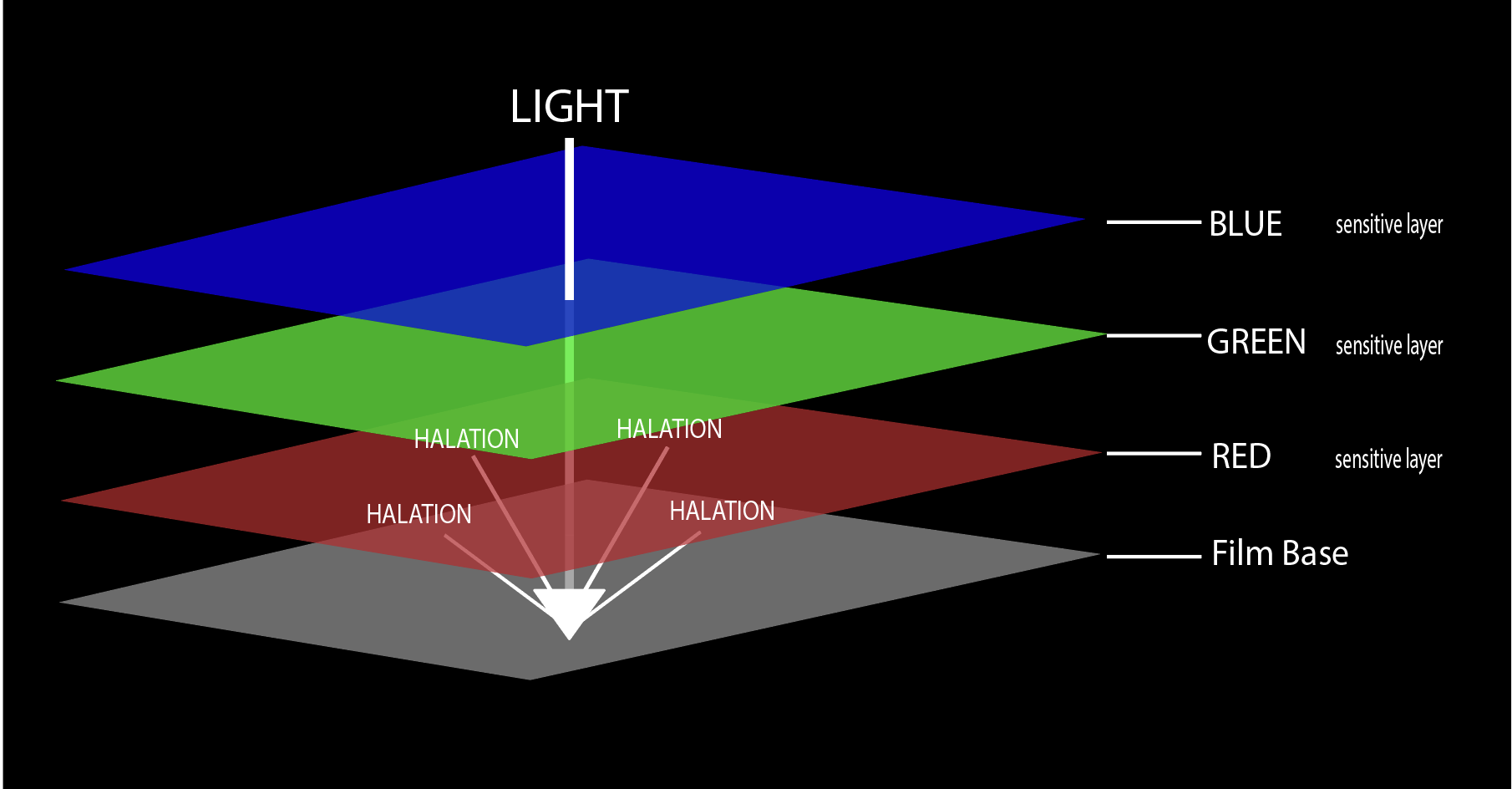
Well, while photographic film in incredibly thin and pliable, it is made up of several layers. As a photo is taken and light travels through the photosensitve emulsions and doesn't necessarily stop there. Some of the light can reflect back off the base and pass through the emulsions again, exposing it a second time from behind. The light reflection is what creates the halo effect in the lighter sections of an image.
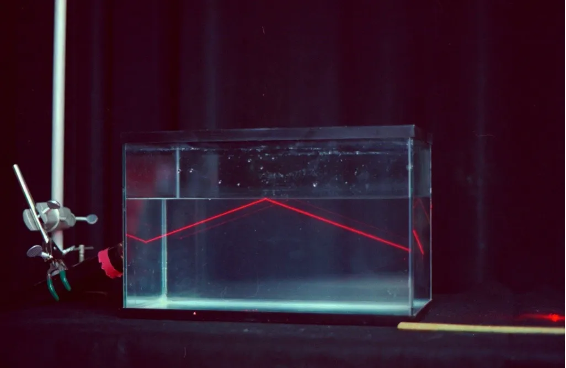
One of the best examples of halation is something pretty common. Have you ever looked up at the sky from the bottom of a swimming pool and wondered about the light rays that bounce back in the air bubbles and water ripples? This phenomonan is called 'total internal reflection, and those beams of light in pockets of bloom are a great comparison to the cause and effect of Halation.
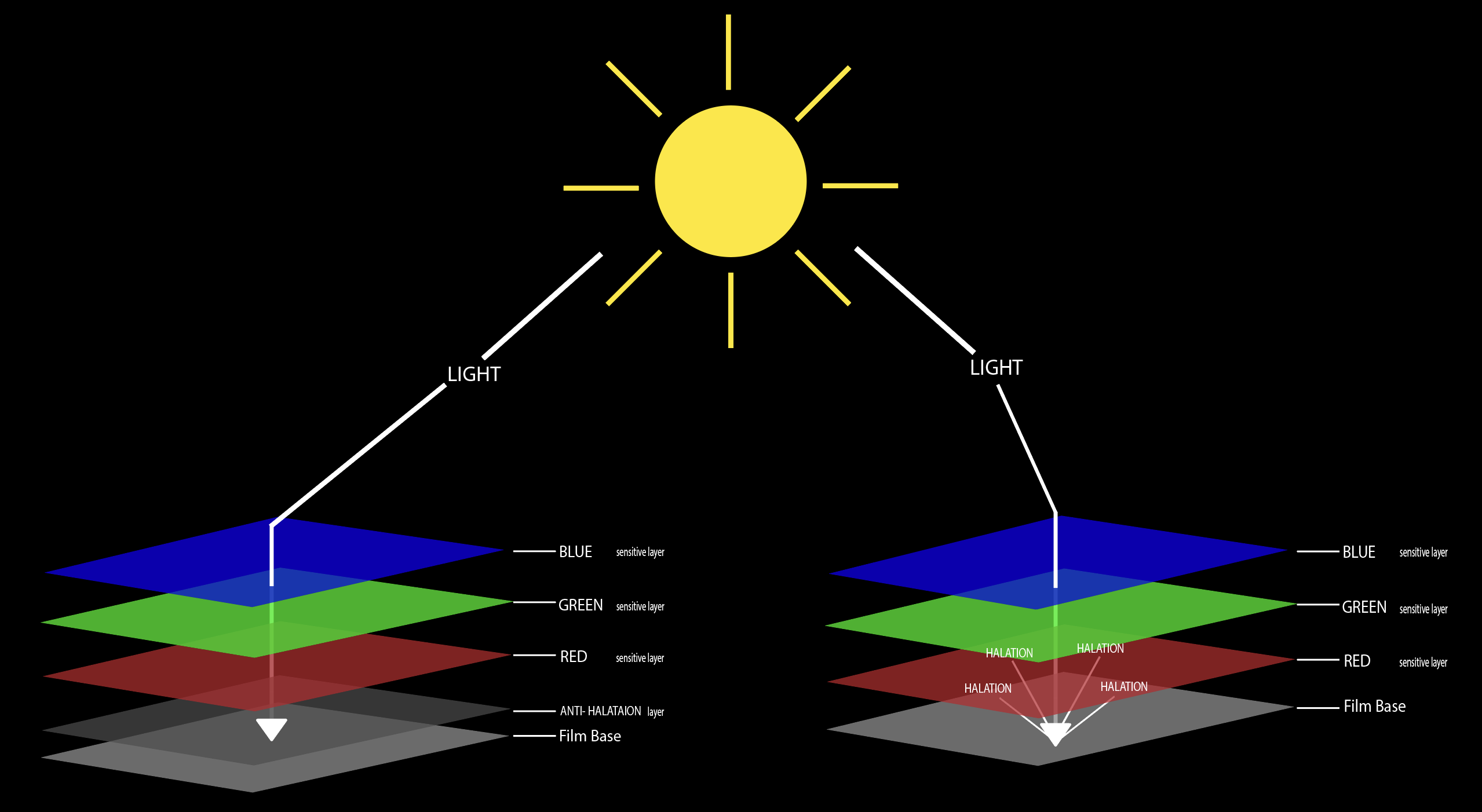
In the 20th century, with film in its prime, halation was seen as a technical flaw to fix or eliminate. As early as the 1930's, already huge company KODAK heavily invested time, money and resources to in an effort to chase perfect likenesses in images, patenting their 'remjet' anti-halation layer. An extra layer in film designed to absorb stray light before it can reflect back through the emulsion 'remjet' boomed in popularity and Kodak have even launched a modern take on the OG backing as recently as 2025.
As camera and film evolved into what we know it as today, the need/want for technical perfection lessened. Artifacting such as halation and grain started to transition from a flaw into a tool to add unique style, character and even charm into images.
The soft ' halo' look became so loved that years after films digital shift into an age in which ultra clean, sharp images could be easily captured, film makers started looking for ways to incorporate the 'imperfections' or film back into their work. Alongside a resurgence in the use of actual film stock being used to shoot, digital emulation tools and techniques started to pop up and film makers and creators alike started opting for the warmth and character this could add over the realism of a sharper image.
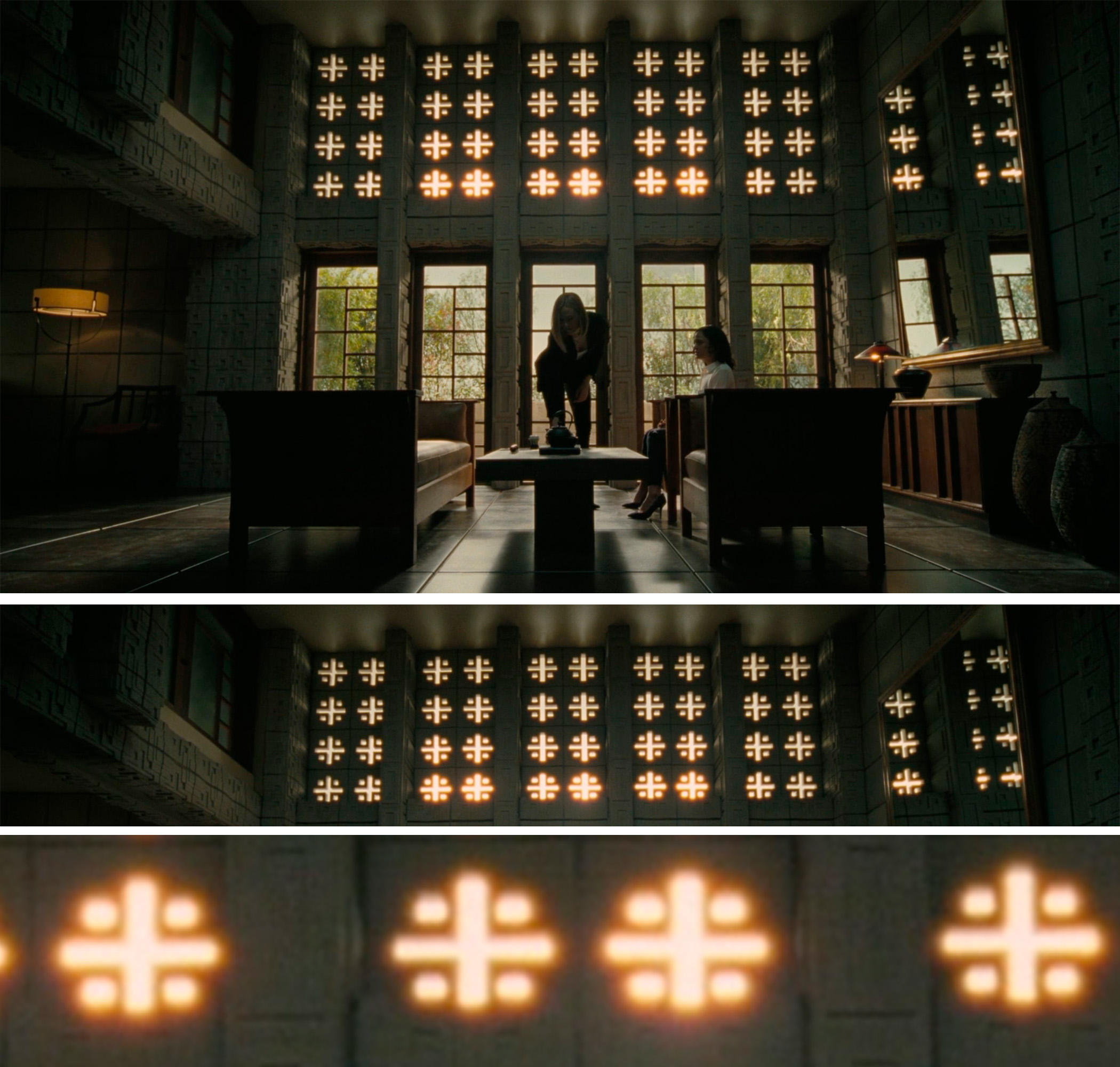
Today, halation's aesthetically pleasing soft glow is easily spotted in some of the biggest films and tv shows of the century and is commonly utilized by Hollywood Directors and DOP's for its character and emotiveness. One of the most reliable indicators that a movie was shot on film, halation's pleasant orange glow has grown into something that is now a flex rather than a failing.
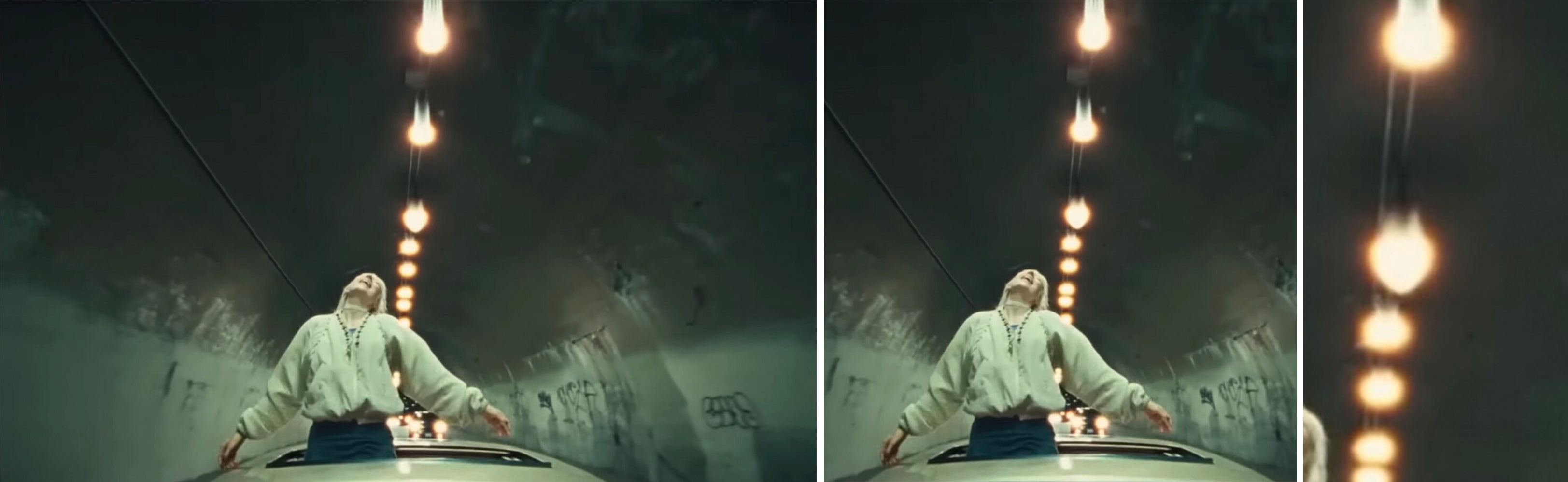
Blooming in popularity, film artifacts, noise and qualities like halation are today valued for the character they add as well as their ability to shift the mood/feel of footage as well as their expressive potential and one-of-a-kind rendering or perception of the world. Photographers and film makers have rediscovered the unique charm of shooting on film, truly appreciating the aesthetic and character it can help achieve.